7 Fast Steps for Water Damage Restoration in Cape Coral, FL
Water in places where it shouldn’t be is a serious concern. The presence of water on the floor, behind the wall, or in an enclosed lower-level area poses a risk of causing major damage very quickly.
For homeowners and businesses in Cape Coral, FL, heavy rainfall, tropical storms, plumbing leaks, and flooding can lead to unexpected water damage. Acting quickly is especially important in Southwest Florida’s warm, humid climate.
This guide explains seven practical steps to follow after water damage in Cape Coral, FL. It covers what you can do safely, what to document, and when to call professionals for Water Damage Restoration, Leak Detection, and Structural Drying.
Step 1: Make Sure the Area Is Safe
It is important to identify any hazards before beginning the cleanup process. Water can be hazardous, especially when it comes into contact with electricity. Floodwater may also contain substances that could harm your health.
-
Turn off the electricity to the affected area if you can do it safely without entering water or approaching wet electrical equipment. This is especially important when water is near outlets, appliances, or the electrical panel.
-
If a broken pipe, toilet, or sink caused the problem, shut off the water supply. You may need to close the main water valve.
-
Stay away from rooms with sagging ceilings, cracked walls, or other signs of structural damage. Storm Damage Restoration and Remediation & Repairs may be needed when water enters through a damaged roof or exterior wall.
-
Look for smoke or soot if the water damage happened during a fire. Fire & Smoke Damage Restoration requires a different cleanup process.
-
Do not enter water that may contain sewage, chemicals, or hazardous materials. Contact a professional Biohazard Cleanup team instead.
Step 2: Stop the Water and Find the Source
Drying the area will not solve the problem if water is still entering the building. You need to stop the water and confirm where it is coming from.
-
Water from a clean supply line may appear clear and have little or no odor, although its safety depends on the source and affected materials.
-
Stormwater often enters near windows, rooflines, crawl spaces, doors, or lower-level areas after heavy rain.
-
A hidden plumbing leak may cause a damp area with no clear source. Water can collect behind cabinets, under concrete, or inside walls.
In Cape Coral, seasonal thunderstorms, tropical weather, and coastal flooding can also cause water to enter through damaged roofing, poorly sealed windows, and exterior openings. Waterfront properties along the city’s extensive canal system may face additional concerns during severe storms.
Professional Leak Detection can help locate hidden problems while limiting unnecessary damage to walls or floors. Finding the source early may prevent more damage and reduce repair costs.
Step 3: Document the Damage for Insurance
Before throwing anything away, take photos and videos of the affected area. Good records may make the insurance claim process easier.
-
Take wide photos of every damaged room. Then take close photos of wet flooring, walls, furniture, and personal belongings.
-
Record a short video as you walk through the property. Explain where the water came from and which areas were affected.
-
Write down when you first noticed the water. Include the steps you took, such as turning off the water, using towels, or arranging water removal.
-
Save receipts for emergency supplies, repairs, hotel stays, and other related costs.
You can move belongings to prevent more damage, but document them first when it is safe to do so. Content Cleaning & Packout services can remove, clean, store, and return items during the restoration process.
For Cape Coral homeowners dealing with storm-related flooding, it’s also important to review your insurance policy, as flood damage may require separate flood insurance coverage.
Step 4: Remove Standing Water Quickly
Standing water can soak into flooring, drywall, baseboards, and furniture. The longer it remains, the farther it can spread.
-
For a small amount of clean water, towels or suitable water extraction equipment may help, provided the area is safe and there are no electrical hazards.
-
Remove rugs and place them in a safe area to dry. Move furniture away from wet flooring when safe. Professional restoration teams may use protective blocks beneath furniture legs to reduce staining and moisture damage.
-
Large amounts of water require professional extraction equipment. Water Damage Restoration technicians use powerful machines to remove water efficiently. Faster water removal may shorten the drying process and reduce further damage.
Do not use household equipment when the water may contain sewage or harmful contaminants.
Step 5: Begin Structural Drying
The room might appear dry despite moisture hidden beneath floorboards, inside walls, and within wooden materials. Moisture may cause swelling, warping, unpleasant smells, and mold growth.
-
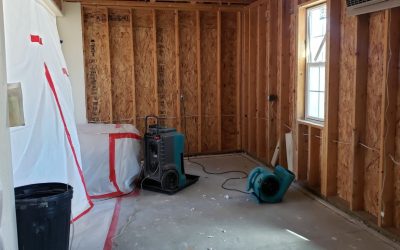
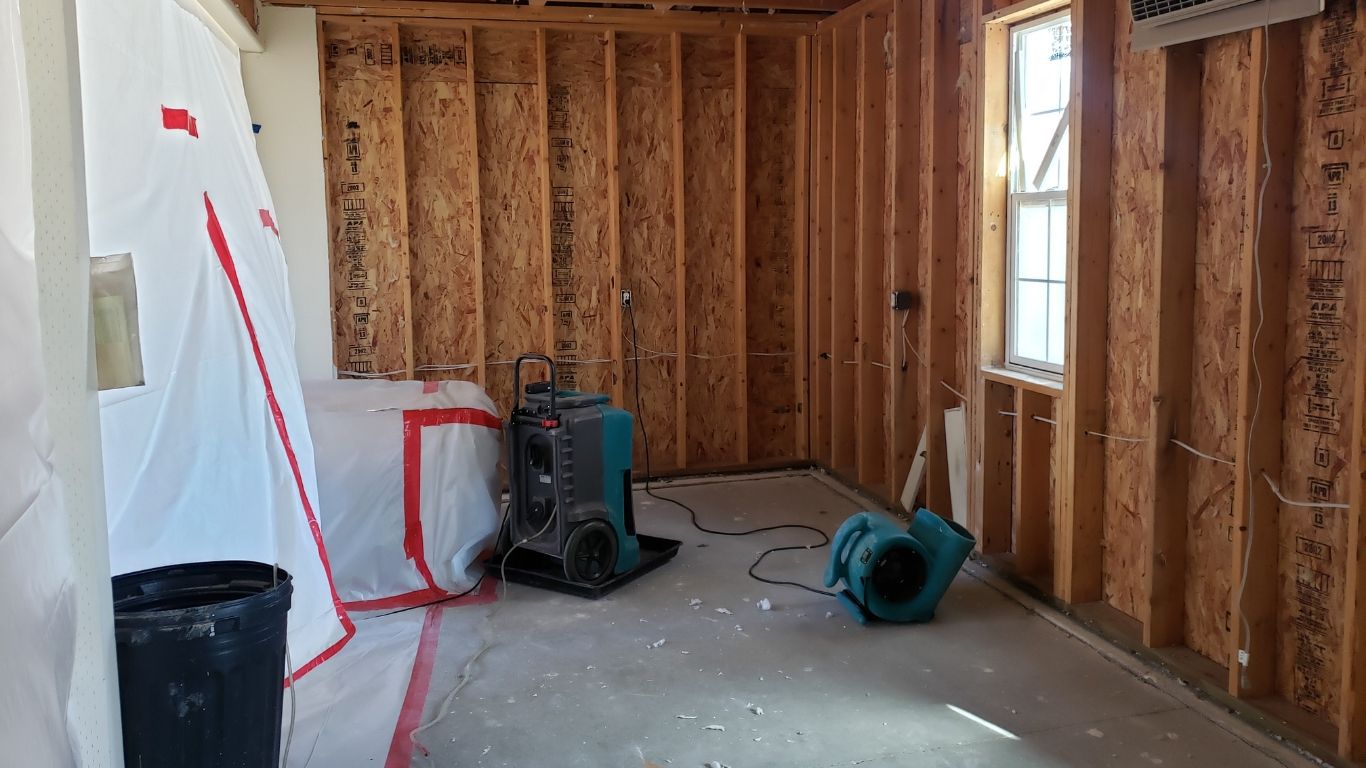
Professional Structural Drying often uses air movers to encourage evaporation from wet materials. Dehumidifiers remove moisture from the air and help materials continue drying.
-
Technicians also use moisture meters to check walls, floors, and other surfaces. This helps confirm whether affected materials have reached appropriate drying targets.
-
Basement Drying may require extra attention because concrete, stored belongings, and enclosed spaces can hold moisture for a long time.
-
Wet crawl spaces may also need more than a few fans. Crawl Space Encapsulation may help control moisture and reduce future water problems after existing water intrusion has been addressed.
With Cape Coral experiencing high humidity throughout much of the year, professional drying and dehumidification are especially important after water damage.
Step 6: Prevent Mold and Remove Odors
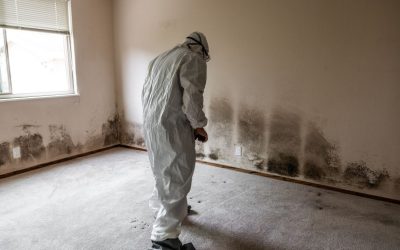
Humidity in Southwest Florida can make mold a concern after water damage. Mold can begin growing within 24 to 48 hours when suitable moisture conditions are present.
-
Musty smells, discoloration, stains, and changes in indoor air quality could signal mold. Some individuals may experience coughing, sneezing, or allergy symptoms.
-
A Mold Inspection may be needed when water remains in the building for a long time or reaches drywall, carpet, insulation, or other absorbent materials.
-
Do not paint over stains or try to cover musty odors. The smell will often return if the moisture problem is not fixed.
-
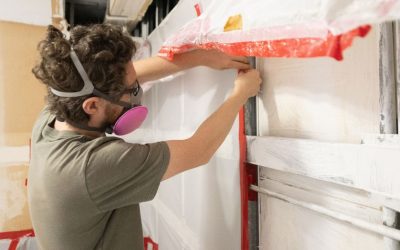
Professional Mold Removal may be necessary when mold is visible or suspected inside walls, under flooring, or near heating and cooling equipment.
-
Odor Removal can also help after flooding or long periods of dampness. However, odor treatment should always be combined with proper drying and cleaning.
For Cape Coral properties affected by heavy summer rainfall or hurricane-related water intrusion, prompt moisture assessment helps reduce the risk of hidden mold problems.
Step 7: Repair the Damage and Prevent Future Problems
Once the property is completely dry and ready for restoration, repairs can begin.
-
Remediation & Repairs may include replacing drywall, flooring, insulation, trim, or damaged structural materials.
-
Storm Damage Restoration may be required when wind, rain, fallen branches, or roof damage allow water to enter.
-
Businesses may need Commercial Restoration services to reduce downtime, protect equipment, and handle damaged inventory.
-
Older buildings may contain materials that require special care. Asbestos or Silica Dust Remediation may be needed to keep the repair process safe and comply with applicable regulations.
-
Water can also damage vehicles. Automotive Flood & Mold Remediation can address wet carpet, padding, seats, and ventilation components that are difficult to dry.
After repairs are complete, inspect the roof, gutters, plumbing, foundation, and drainage system. Fixing weak areas may help prevent another water emergency.
For properties in Cape Coral, regular maintenance before hurricane season can also help reduce the risk of water intrusion during severe storms.
What to Do During the First Hour
-
Turn off the electricity only if it is safe to do so.
-
Stop the water at its source when possible.
-
Take photos and videos of the damage.
-
Arrange standing water removal when the area is safe.
-
Move furniture and valuable belongings away from wet surfaces when safe.
-
Increase airflow and lower indoor humidity if there are no electrical or contamination hazards.
-
Call a professional Water Damage Restoration company when the affected area is large, the water may be contaminated, or moisture has entered walls and floors.
Water damage can feel overwhelming, but a clear plan makes the situation easier to manage. Fast action can limit damage and help protect your property.
At iRestoreFL, we provide professional Water Damage Restoration, Leak Detection, Structural Drying, Mold Inspection, Mold Removal, Content Cleaning & Packout, and Remediation & Repairs. Our team helps homeowners and businesses in Cape Coral, FL, address water damage and reduce the risk of additional problems.
Whether your property has experienced a plumbing leak, heavy rainfall, or storm-related flooding, professional water damage restoration in Cape Coral, FL, can help you recover safely and efficiently.
Contact iRestoreFL today to learn more about our professional water damage restoration services in Cape Coral, FL.